Nasal Tip Plasty
Conveniently located to serve the areas of Beverly Hills, CA

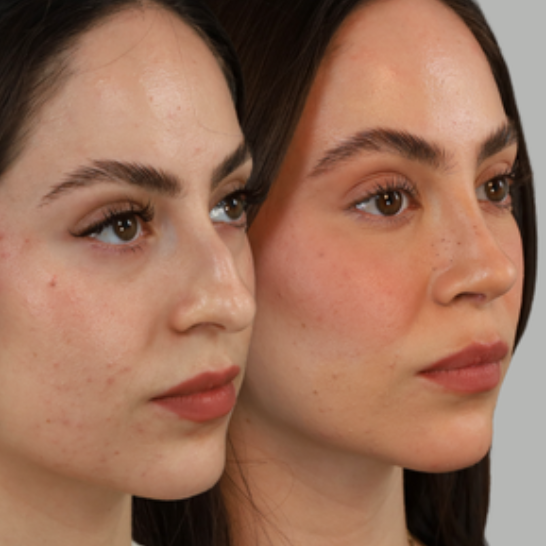
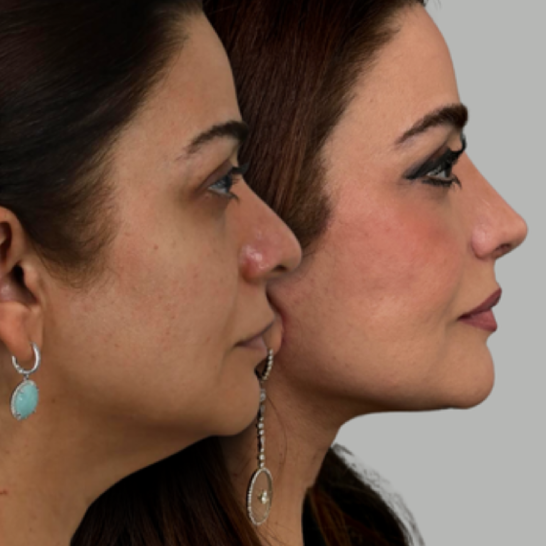
The nasal tip in rhinoplasty is one of the most important aspects in producing effective and natural rhinoplasty results. The nasal tip often needs refinement and narrowing, but care must be taken to not produce an unnatural pinched appearance. By placing nasal tip shaping sutures and select custom cartilage grafts, a unique and natural-appearing tip can be created. The nasal tip must blend with the rest of the nasal features so that it looks like the patient could have been lucky to be born with the new tip.
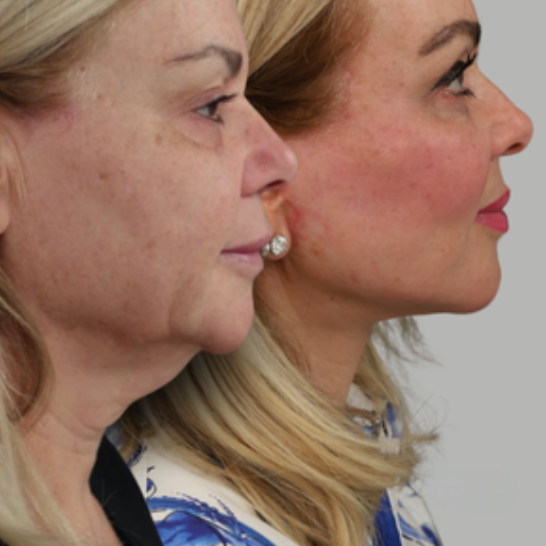
Patients must evaluate their surgeon’s photo gallery carefully to assess the tip. If the flash or lighting is too bright, it will be difficult to assess the subtle nuances of tip shape. In addition, if a photo gallery is not displaying the front view for its patients then be careful. While it is simpler to show the profile view in which a hump on the bridge was reduced, many surgeons hide their front views. The front view shows the skills of the surgeon best as well as the ability of that surgeon to shape the nasal tip and lengthen or lift it as necessary. Rhinoplasty Surgeon Dr. Ghavami displays all the front views so that prospective patients can see the way the customized tip shape is balanced with the bridge and rest of the nose.
Tip shaping may also require reducing or increasing the projection of the tip. It is important to set the tip back towards the face when it is long, droopy or over-projected at the same time that the bridge is reduced to avoid a long-looking Pinocchio-type appearance to the nose and nasal tip.
Lastly, nasal tip shaping can require soft tissue and skin thinning to effectively show off the newly created shape. Dr. Ghavami has lectured extensively on this aspect of tip shaping and has designed grafts to meet the goals of patients of all ethnic backgrounds.
With revision rhinoplasty, the tip can be weak, artificial looking, and excessively narrowed (“pinched tip”). Strut and support grafts are usually needed to reestablish a natural appearing nasal tip appearance as well as support the alar rims, which lay next to the tip. Please see some of Dr. Ghavami’s peer-reviewed and published scientific articles on tip shaping to learn more.
About Dr. Ashkan Ghavami
Plastic Surgeon · Ghavami Plastic Surgery
- Board certification
- American Board of Plastic Surgery (verify)
- Education and training
- MD, University of Wisconsin Medical School
- Residency, Plastic Surgery, University of Texas Southwestern Medical Center (Dallas, Texas)
- Fellowship, Hand and Reconstructive Microsurgery, UTSW
- Bachelor of Science, Biology, University of California-Irvine (1996)
- Doctor of Medicine, University of Wisconsin Medical School (2001)
- Residency, Integrated Surgery-Plastic Surgery, University Hospitals of Cleveland / Case Western Reserve University (2001–2004)
- Fellowship, Hand and Reconstructive Microsurgery, University of Texas Southwestern Medical School (2004–2005)
- Fellowship, Congenital Hand, Texas Scottish Rite Hospital (2005)
- Residency, Plastic and Reconstructive Surgery, University of Texas Southwestern Medical School (2005–2007)
- Hospital affiliations
- Outpatient Surgery Center of Beverly Hills, LLC
- UCLA Ronald Reagan Medical Center
- Veterans Administration Wadsworth
- CEDARS SINAI Marina Del Rey Hospital
- Memberships
- American Society for Aesthetic Plastic Surgery
- American Society of Plastic Surgeons
- International Society of Aesthetic Plastic Surgery
- Co-director, Aesthetic Plastic Surgery Fellowship of Los Angeles
- Physician advisory board, Face Forward International Organization
- National task force for safety regulation in gluteal augmentation procedures
- President, Rhinoplasty Society (2023–2024)
- Awards
- Number One plastic surgery social media influencer, Harper’s Bazaar Magazine (2017)
- NPI
- 1831393388