Revision Rhinoplasty
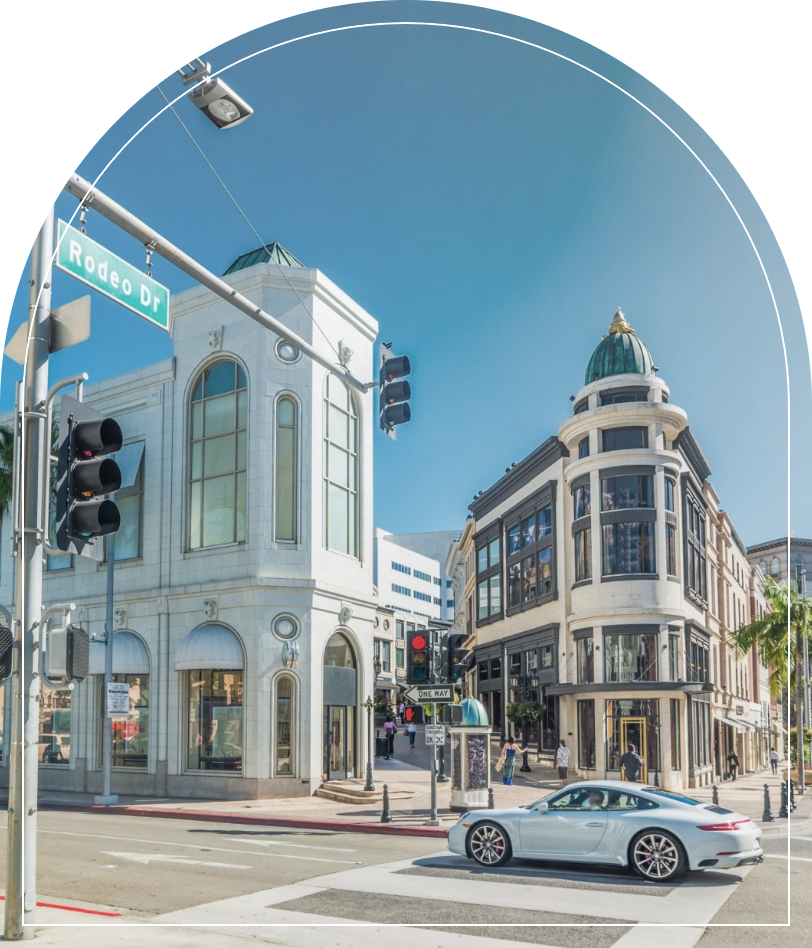
Conveniently located to serve the areas of Beverly Hills, CA

For individuals who have undergone a rhinoplasty procedure, but are unsatisfied or upset with the results, revision rhinoplasty is the most viable option for restoring beauty to the face. A revision rhinoplasty procedure involves resculpting the nose tissue to better fit the facial features, especially after the case of a poorly performed primary rhinoplasty.
Contents
- 1 Before and After Photos
- 2 Dr. Ghavami
- 3 Why Dr. Ghavami
- 4 Common Reasons
- 5 Dr. Ghavami’s Experience
- 6 Revision Considerations
- 7 Schedule a Consultation
- 8 FAQS
- 8.1 How soon after my primary rhinoplasty can I have a revision?
- 8.2 What are the signs that I might need a revision rhinoplasty?
- 8.3 How is revision rhinoplasty different from primary rhinoplasty?
- 8.4 What is the recovery time for revision rhinoplasty?
- 8.5 Is revision rhinoplasty more painful or complex than the first surgery?
- 8.6 Will revision rhinoplasty leave additional scars?
- 8.7 Can revision rhinoplasty fix breathing issues from my first surgery?
- 8.8 How do I know if I’m a good candidate for revision rhinoplasty?
- 8.9 What should I avoid doing before and after revision surgery?
- 8.10 Can revision rhinoplasty restore a more natural look to my nose?
- 8.11 How many revision surgeries are too many?
- 8.12 What risks are associated with revision rhinoplasty?
- 8.13 How long does it take to see final results after revision?
- 8.14 Can ethnic features be preserved in a revision rhinoplasty?
- 8.15 How do I choose the right surgeon for a revision procedure?
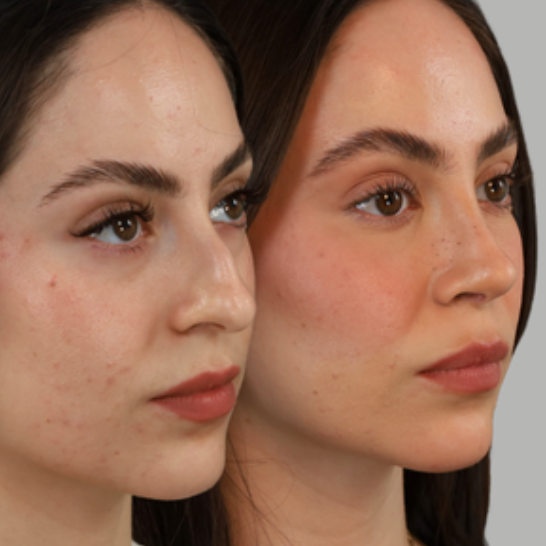
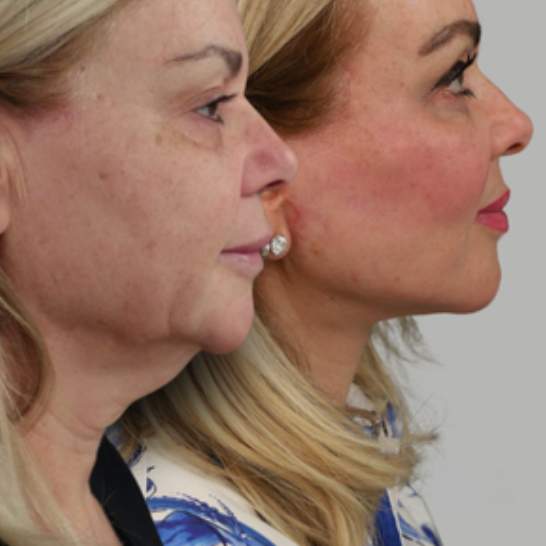
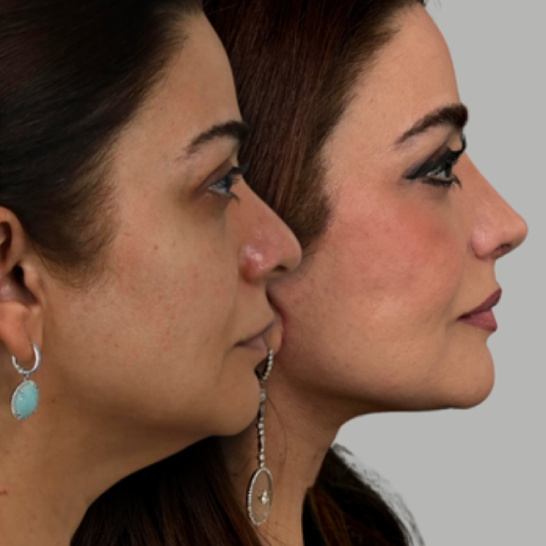
Before and After Photos


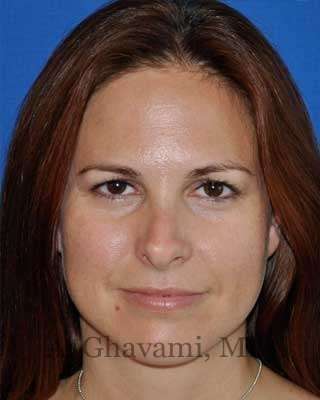
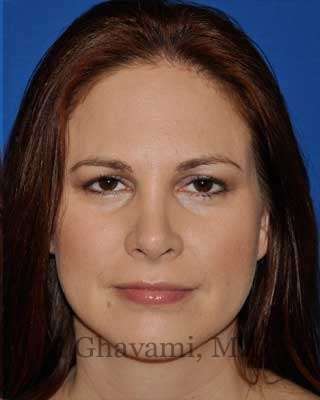
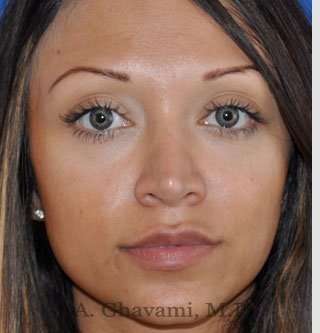
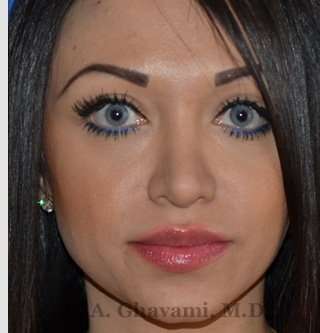
In the case of a botched rhinoplasty, the patient may feel that their nose looks “weird” or alien on their face, and depression is a common result. However, Dr. Ghavami’s expertise as a Los Angeles & Beverly Hills revision rhinoplasty surgeon allows patients to look as beautiful as they had originally hoped to. By meticulously reshaping the nose, and sometimes grafting tissue from elsewhere on the body, Dr. Ghavami is able to restore organic-looking beauty to the face. Just as with his primary rhinoplasty procedures, Dr. Ghavami places significant attention on creating a final nose shape and size that looks natural. Ideally the goal is to make the nose look like the patient was born with it to begin with.
If you are unhappy with your nose due to a poorly performed rhinoplasty with another surgeon, and want to learn more about revision nose surgery with Dr. Ghavami, please call and schedule a consultation.
In the past, many regarded rhinoplasty as a procedure to reduce the size of the nose, such as when shaving off a large dorsal hump, or making a bulbous tip smaller. Today, patients come from all ethnic backgrounds, ages, and have different goals for the nasal improvements they desire. For example, patients of African and Asian descent may need cartilage added to the nose to improve its shape rather than traditional “reductive rhinoplasty.” In addition, Dr. Ghavami’s philosophy for nasal reshaping centers on cartilage re-arrangement rather than the simple thinking that comes with reduction or augmentation. When it comes to certain noses, cartilage augmentation is critical to the overall result. With a flat and/or wide bridge (dorsum) of the nose, augmentation along with osteotomy (chiseling and narrowing the bones) is required. While Dr. Ghavami prefers cartilage in the form of a rib or ear graft, diced or un-diced, he will also accept a silicone implant augmentation in the right patient.
Diced cartilage fascia grafts (DCFG) are a phenomenal way to augment the nasal bridge to increase its height while narrowing the bridge in a natural way. It is derived from a patient’s own tissue – either septal, ear, or rib cartilage – and when wrapped with fascia (temple muscle sheet cover) can be placed on the bridge, molded to shape, and secured. Incision sites for the ear or rib are small and well hidden and can heal almost undetectably in most patients. The results are long lasting and very gratifying for patients.
Straight rib cartilage is another way to augment the nasal bridge and must be secured. Dr. Ghavami, a noted rhinoplasty surgeon, will consult with you and assess your goals and anatomy to determine the best course of action. The important things to note are that there are lots of options, and the results will be natural in the right hands.
Dr. Ghavami
Many patients (including Beverly Hills ethnic rhinoplasty patients) who come to Dr. Ashkan Ghavami are interested in revision rhinoplasty (also known as corrective or secondary rhinoplasty). They may have been told that the results of a previous surgery are the best they can hope for. However, after years of studying a variety of rhinoplasty techniques under the world’s foremost experts at UTSW, Dr. Ghavami knows that this is not necessarily the case. He specializes in revision rhinoplasty, which often entails not just a cosmetic improvement over what has already been done, but also a much-needed correction of collapse and breathing issues. In that sense revision rhinoplasty really becomes something more akin to reconstructive surgery, as Dr. Ghavami takes grafts from the septum, and in some cases even from the ear (auricular cartilage graft) and rib cage (costal cartilage graft), to replace lost cartilage and support in the nose.
Revision rhinoplasty is a complex procedure – often more time-consuming and complicated procedure than primary rhinoplasty. This is because cartilage in the nose is depleted from the previous surgery, which may also have left the patient with scars and tightening of the skin. Therefore, it is important to choose a surgeon with years of experience performing revision rhinoplasty.
Why Dr. Ghavami
Here at Ghavami Plastic Surgery we take on a lot of patients who are dissatisfied with nose jobs performed by other doctors. Fortunately, our skilled Beverly Hills nose job surgeons have extensive experience with complex revision rhinoplasty. It is prudent to find a highly trained specialist like Dr. Ashkan Ghavami to conduct your revision rhinoplasty; this operation requires great sophistication, because poor nose jobs can leave a patient with scarring and soft tissue contracture. Often revision rhinoplasty involves taking cartilage from other areas to use in reconstructing what has been lost.
Of course, your chances of having to get revision rhinoplasty are greatly diminished if you choose an expert practitioner the first time around. More and more people are choosing Dr. Ghavami for reconstructive and ethnic rhinoplasty. Indeed, Dr. Ghavami is considered one of the foremost authorities on rhinoplasty. He studied at UTSW in the heart Dallas, widely considered the center of rhinoplasty expertise. In Dallas, Dr. Ghavami completed an advanced internship and stuffy in microsurgical concepts.
Dr. Ghavami stands by his work. All you have to do is peruse his user-friendly and informative website to see multiple samples of his work. Positive word-of-mouth has spread throughout the nation from gratified patients who have a new lease on life thanks to Dr. Ghavami’s revision rhinoplasty.
Not everyone is always happy with the results of their nose job. Some people may feel even more self-conscious of their nose after rhinoplasty than they did before surgery. This may be because: 1) the nose surgeon was inexperienced or carried out improper technical steps; 2) the results do not resemble what the patient originally expected; or 3) a new problem or problems developed after surgery. Overall, the issues fall into two categories: the previous surgeon’s technical execution was “overly aggressive” or it was “not extensive enough” to affect an appropriate change in nasal shape.
PLEASE NOTE: Dr. Ghavami feels strongly that it is poor etiquette to “bad mouth” or discuss your previous surgeon’s work. Sometimes, the rhinoplasty results just don’t turn out the way your surgeon intended. Instead of focusing on the negatives, Dr. Ghavami believes it is best to move forward and consult you on what he can now do to correct and improve the issues you have with your nose. This is the policy at Ghavami Plastic Surgery. Unfortunately, this is not always the case with all surgeons. We urge you to think twice about having surgery with a surgeon who is ready to perform your revision and quick to “bad mouth” another surgeon’s work.
Dr. Ghavami is widely-regarded as one of the top rhinoplasty specialist in Beverly Hills because he is capable of restoring beauty to the nose and overall facial appearance through revision rhinoplasty, also called secondary or corrective rhinoplasty. Most plastic surgeons that have a practice dedicated largely to rhinoplasty also receive requests to correct unsatisfactory results they received from a previous surgeon. Dr. Ghavami’s goal is to re-sculpt the nose, make patients look as if the primary nose job had never been performed, creating a new nose that is in balance with the face. Revision rhinoplasty is typically a much more complex procedure than primary rhinoplasty, and therefore requires an extremely skilled and experienced cosmetic surgeon.
Common Reasons
Here are some of the most common reasons for seeking revision rhinoplasty:
- Artificial or unnatural nasal appearance
- Persistent nasal hump
- Saddle nose or over-reduced bridge (Inverted V-Deformity)
- Over-rotated or under-rotated tip
- Crooked tip or crooked nose
- Asymmetry in the tip, upper third or middle third of the nose
- Hanging columella or retracted columella
- Displaced nasal implant or extruding nasal implant
- Nose is not in balance with the rest of the face (too big or too small)
- Breathing problems / nasal obstruction
Dr. Ghavami’s Experience
Dr. Ghavami spent years studying with some of the foremost experts in rhinoplasty at the University of Texas Southwestern Medical Center. Furthermore, he completed an advanced fellowship program and studied microsurgical concepts. This provided vast experience in working with delicate structures in the face and body. Dr. Ghavami has strived to position himself in the upper echelon of rhinoplasty surgeons in terms of experience and contribution to the advancement of rhinoplasty. “I feel honored to be continually invited to sit on expert panels among the numerous leaders in the field for which I have long had tremendous respect for,” he says.
Another strength of Dr. Ghavami is his specialization with ethnic rhinoplasty, including African American rhinoplasty, Hispanic rhinoplasty, Middle Eastern rhinoplasty and Asian rhinoplasty. He is very familiar with the intricate details of each ethnicity’s features and is especially skilled in preserving a patient’s ethnic identity while improving the features that they dislike. Many patients seek out the services of Dr. Ghavami because they are unpleased with the results of their primary ethnic rhinoplasty procedure, often because their original nose surgeon over-corrected or under-corrected the nose. Dr. Ghavami is able to transform these results, delivering the outcome the patient was originally seeking. In fact, he was recently invited to write a textbook chapter on “Secondary Middle Eastern Rhinoplasty,” in which he described ways to not only correct previous misjudgments but to prevent these issues in the first place.
Revision Considerations
Before performing revision rhinoplasty or revision ethnic rhinoplasty, Dr. Ghavami works with the patient to identify the reason he or she is unhappy with the results of the primary rhinoplasty and then sets specific and realistic goals for the revision procedure. Vague statements or abstract goals are counterproductive and will not help Dr. Ghavami develop a successful treatment plan.
It’s also important not to be premature in decisions regarding revision rhinoplasty. Swelling distorts the final results of a nose job; it can take a year to 18 months for the swelling from a primary rhinoplasty to fully dissipate.
In the case of over-correction, there may not be enough cartilage left to properly sculpt the nose. Dr. Ghavami may need to graft cartilage from other areas of the body to reconstruct the nose. Common cartilage sources are the ear and ribs. The patient may also have scars and tight skin from the primary rhinoplasty procedure. When these factors come into play, revision rhinoplasty essentially becomes much like a reconstructive surgery, which is why it’s critical to have an experienced rhinoplasty surgeon like Dr. Ghavami. By selecting a rhinoplasty specialist, the risk of needing a third or more revisions in the future is drastically reduced.
Schedule a Consultation
If you are not satisfied with the results of your first rhinoplasty, and would like to explore your revision rhinoplasty options, please contact the Beverly Hills plastic surgery office of Dr. Ghavami to schedule a consultation. You may email or call us today.
FAQS
How soon after my primary rhinoplasty can I have a revision?
Most of the patients will need to wait at least 12 months after the initial surgery. This period allows swelling to resolve and scar tissue to stabilize, making it easier to assess your nose accurately for potential revision.
What are the signs that I might need a revision rhinoplasty?
You might need revision if you experience asymmetry, breathing difficulties, or dissatisfaction with your nasal appearance after healing. Lingering emotional discomfort about the outcome can also indicate a need for corrective surgery.
How is revision rhinoplasty different from primary rhinoplasty?
Revision rhinoplasty is significantly more complex due to scar tissue and previously altered nasal anatomy. It requires refined surgical skills to correct issues without compromising nasal function or aesthetics. Dr. Ghavami is skilled surgeon with particular expertise in these surgeries.
What is the recovery time for revision rhinoplasty?
Recovery is similar to your first procedure but can take longer. Major swelling and bruising typically subside in two to three weeks, though subtle changes may evolve over the next 1 to 2 years.
Is revision rhinoplasty more painful or complex than the first surgery?
Revision surgeries tend to be more intricate and sometimes more painful due to existing scar tissue. However, pain is manageable with appropriate medications and care. In some cases, autologous rib cartilage, ear cartilage or fascia will be needed to build the appropriate internal support for the nose. These additional surgical sites may contribute to a slightly longer recovery time.
Will revision rhinoplasty leave additional scars?
In most cases, experienced surgeons like Dr. Ghavami, strategic, small incisions are used to avoid creating new visible scars. The open rhinoplasty approach may leave a tiny, well-concealed scar at the columella.
Can revision rhinoplasty fix breathing issues from my first surgery?
Yes, many revision procedures focus on restoring or improving nasal function, particularly if structural issues from your first surgery did not address or even contibuted to new breathing problems.
How do I know if I’m a good candidate for revision rhinoplasty?
You are a good candidate if you’re healthy, emotionally ready, and realistic about the results. Dissatisfaction with your initial surgery or ongoing nasal issues are strong indicators. Additionally, one must be prepared for a slightly longer recovery as these particular cases tend to have more swelling.
What should I avoid doing before and after revision surgery?
Avoid smoking, blood thinners, and supplements that can cause bleeding before surgery. Afterward, limit strenuous activity, protect your nose from injury, and sleep with your head elevated.
Can revision rhinoplasty restore a more natural look to my nose?
Yes, with precise technique and individualized planning, your surgeon can deliver a refined and natural look that harmonizes with your facial features.
How many revision surgeries are too many?
While there’s no strict limit, each additional revision increases risks and complexity. It’s essential to have a detailed consultation and honest discussion with your surgeon about feasibility.
What risks are associated with revision rhinoplasty?
Risks include infection, scarring, persistent asymmetry, or functional issues. Choosing an expert surgeon reduces the likelihood of complications.
How long does it take to see final results after revision?
Although early improvements are visible within weeks, full results typically emerge over 12 to 18 months as swelling resolves completely.
Can ethnic features be preserved in a revision rhinoplasty?
Absolutely. Skilled surgeons respect and preserve your ethnic identity while enhancing overall facial harmony through subtle adjustments.
How do I choose the right surgeon for a revision procedure?
Select a surgeon with extensive revision experience, a strong aesthetic sense, and a history of successful outcomes. Dr. Ghavami in Beverly Hills are highly regarded for their precision and artistry.